Welcome to Haiyue Technology Group Co., Ltd.!

Welcome to the official website of Zhijin County Huakang Hospital Co., Ltd.

.
China Parking Industry News Bulletin (Issue 198)
Release date:
2019-10-15 16:51
Source:
Parking Bang
This issue’s summary:
1. Nanning plans to build a parking information system to alleviate parking difficulties.
2. The Regulations on the Construction and Management of Parking Lots in Zhengzhou City will officially come into effect on October 1.
3. Langfang, Hebei: Tackling the “parking shortage” with decisive management measures.
4. Fujian: Putian City has launched the construction of a slow-travel system on urban roads and a campaign to improve traffic order.
5. In 2020, Weihai’s urban area will add 12 new parking lots.
01
Nanning plans to build a parking information system to alleviate parking difficulties.
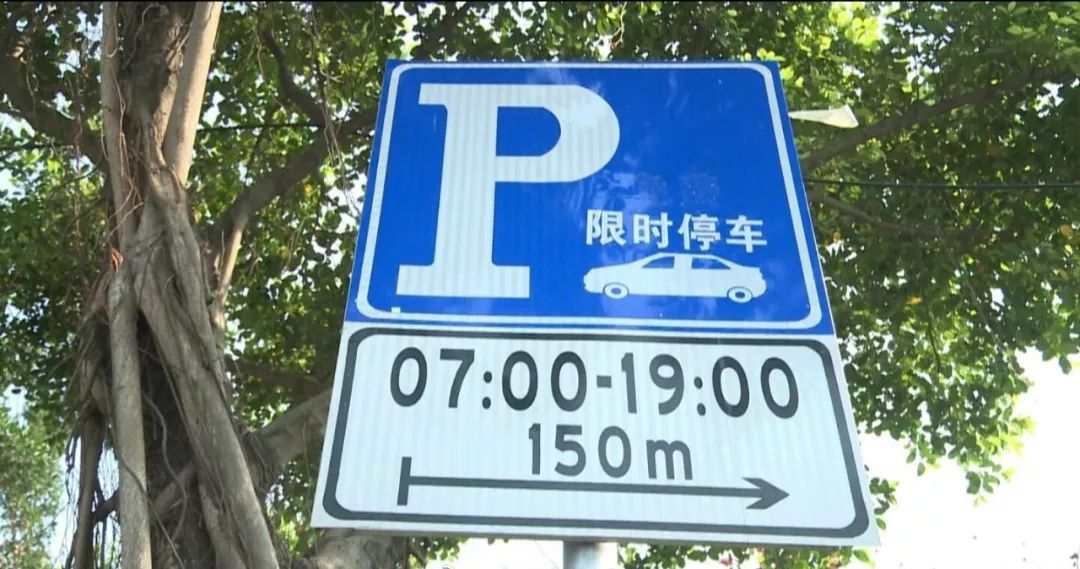
On October 11, reporters learned at an expert review meeting convened by the Legislative Affairs Commission of the Standing Committee of the Nanning Municipal People’s Congress on the “Nanning Municipal Parking Lot Management Regulations (Draft)” (hereinafter referred to as the “Draft”) that the city will establish a parking information management system to collect and allocate parking space resources across the city, thereby providing citizens with real-time parking guidance.
In recent years, as the number of motor vehicles and electric bicycles in Nanning has grown rapidly, “fighting for parking spaces” has become an everyday challenge for residents. To address this issue, Nanning plans to enact legislation to regulate the construction and management of parking facilities, aiming to tackle longstanding urban problems such as difficulty finding parking, high parking costs, and disorderly parking. The draft bill stipulates that the city’s unified supervisory authority for parking shall establish a parking information management system and share relevant data with other regulatory agencies, including urban management and administrative law enforcement departments. It will also provide real-time updates on the location, number of available spaces, utilization status, and fee schedules of parking lots, as well as issue guidance on parking availability. Experts and citizen representatives attending the consultation meeting expressed broad support for these measures.
“By establishing a unified information management system, government regulatory agencies can rationally allocate parking resources across the city, ensuring a balance between supply and demand. At the same time, commercial parking facilities, logistics parking lots, and operators of internet‑based parking services will adhere to uniform market rules under this system, enabling resource sharing and providing data support for urban management,” said Wang Hao, deputy captain of the Facilities Unit of the Traffic Police Detachment of the Nanning Municipal Public Security Bureau. He added that the system is currently being developed under the leadership of the Nanning Municipal Public Security Bureau’s Traffic Police Detachment, has already received approval from the Nanning Municipal Development and Reform Commission, and is expected to be constructed and implemented next year.
Source: Guangxi Daily
02
The “Zhengzhou Municipal Regulations on the Construction and Management of Parking Facilities” will officially come into effect on October 1.
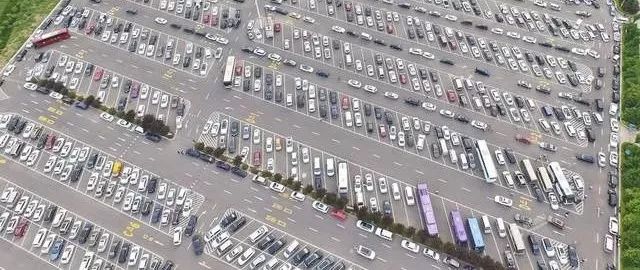
Effective October 1, the Regulations on the Construction and Management of Parking Facilities in Zhengzhou City will officially come into force. On the morning of October 8, on Kexin Road in Jinshui District, the Jinshui District Urban Comprehensive Law Enforcement Bureau, in collaboration with the Wenhua Road Subdistrict Office, assembled more than 30 officers from its directly affiliated units, the Special Duty Unit, and the Wenhua Road Squad, and took the lead in issuing warnings and reminders to vehicles parked in violation of traffic signs and markings.
The introduction of the new regulations requires an “adaptation period.” On the day of the enforcement system’s trial run in Jinshui District, non-motorized vehicles were the primary target, with warnings taking center stage, and street‑level public awareness campaigns were conducted over the course of a week. After October 15, the penalty‑deduction procedure will be officially initiated.
Pursuant to Article 49 of the said regulation: Anyone parking a non-motorized vehicle in violation of Paragraph 2 of Article 35 of these Regulations shall be ordered by the administrative department for urban management to make corrections and shall be subject to a warning or a fine of no less than RMB 20 but not more than RMB 50. If a party refuses to accept the imposition of a fine, the administrative department in charge of urban management may impound the vehicle.
Team Leader of the Directly Affiliated Squad, Urban Comprehensive Law Enforcement Bureau, Jinshui District Introduction to Han Shuanzhu: “In the past, our city lacked clear penalties and designated enforcement authorities for the illegal parking of non-motorized vehicles. With the enactment of this regulation, specific no-parking zones have been defined—for example, motor vehicle lanes, fire lanes, tactile paving, and areas designated as off-limits in public spaces—where such vehicles are prohibited. The regulation also clarifies the competent enforcement authority: the urban management administrative department is empowered to impose administrative penalties, including orders to rectify, warnings, or fines, as well as administrative coercive measures such as vehicle impoundment, against those who park in violation of these rules.” ”
Source: Zhengzhou Evening News
03
Langfang, Hebei: Tackling the “Parking Shortage” with Tough-Legged Management Measures
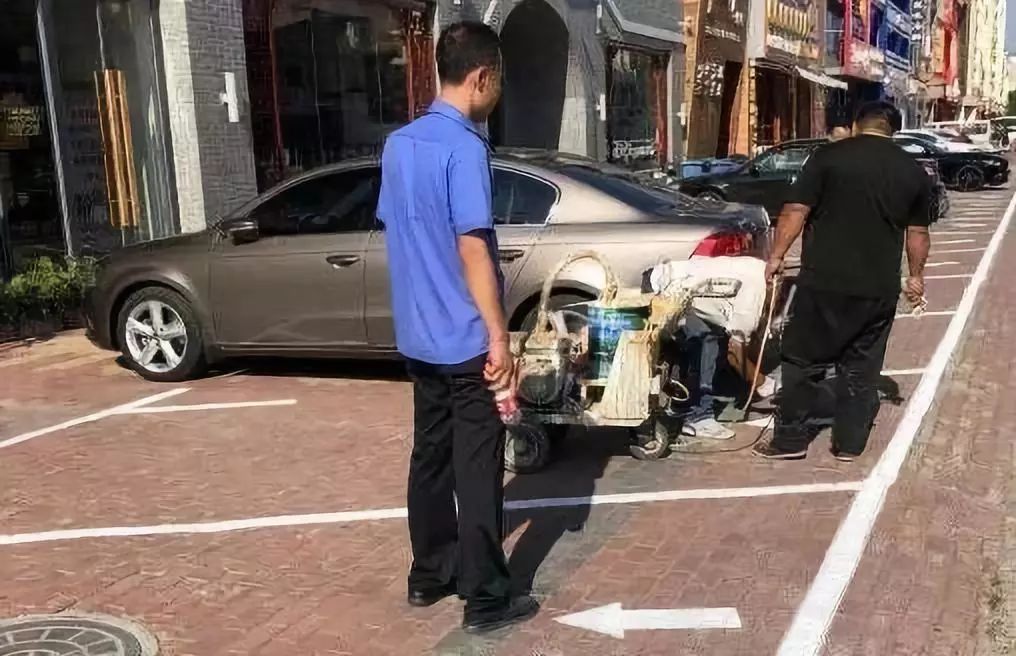
In recent years, the main urban area of Langfang has been grappling with severe parking difficulties. How can this challenge be addressed? The Langfang Municipal Urban Management Comprehensive Administrative Law Enforcement Bureau, guided by the needs of residents, conducted thorough field visits and surveys, solicited public input, and pinpointed the root causes of the problem to devise targeted solutions, thereby effectively alleviating the city’s longstanding issue of insufficient parking for motor vehicles.
Where exactly does the “difficulty” in parking lie? Thorough research and attentive listening to public concerns are key. “When and where is parking really most challenging? We conducted a detailed survey,” said Zhang Zhichao, Director of the Langfang Municipal Bureau of Comprehensive Administrative Law Enforcement for Urban Management. The bureau has established a dedicated “Motor Vehicle Parking Management Office,” focusing on areas with high pedestrian and vehicle traffic, carrying out a street-by-street assessment to identify existing issues, and using this data to develop a well‑reasoned plan for designating parking spaces.
After several rounds of field visits and investigations, three major issues have emerged: difficulty in finding temporary parking—particularly during peak commuting hours in the morning, noon, and evening, as well as around schools where parents drop off or pick up students—where parking demand is highly “tidal,” with spaces becoming extremely scarce within 30 to 40 minutes; insufficient public parking facilities at densely populated public venues such as hospitals, restaurants, supermarkets, and shopping malls, which were originally designed to meet far lower demand; and, at night, vehicles unable to enter residential neighborhoods for various reasons, leaving drivers struggling to find a spot along the streets surrounding these communities.
“Golden cups and silver cups are nothing compared to the people’s good reputation; only when the people say it’s good is it truly good. The sense of gain and happiness among the public, as well as the satisfaction of residents and business owners, are the most important benchmarks for evaluating urban management,” said Zhang Zhichao. He added that, going forward, they will engage a professional team to conduct more precise analyses of parking issues, identify traffic patterns at each bottleneck and chokepoint, assess actual demand, and allocate parking spaces in a scientifically sound manner—meeting needs while avoiding resource waste.
How can these pain points be addressed? Langfang City is simultaneously making full use of marginal and underutilized plots of land. 、 Replan and reallocate public parking spaces. 、 Strengthening parking management and other measures to fully tap into latent parking capacity and standardize parking order.
To date, the Langfang Urban Management Comprehensive Administrative Law Enforcement Bureau has marked a total of 30,900 motor vehicle parking spaces and over 80,000 linear meters of non-motorized vehicle parking lines, developed 17 new parking areas, and essentially completed the large-scale marking of parking facilities in key districts. As a result, the longstanding issues of “difficult parking” and “disorderly parking” in the urban area have been effectively alleviated. Moving forward, the bureau will further strengthen interdepartmental coordination, accelerate the advancement of relevant legislation, and promote the development of an intelligent parking system, thereby providing more effective solutions to the persistent challenge of parking shortages.
Source: Hebei News Network
04
Fujian: Putian City Launches Construction of an Urban Road Slow-Moving System and a Campaign to Rectify Traffic Order
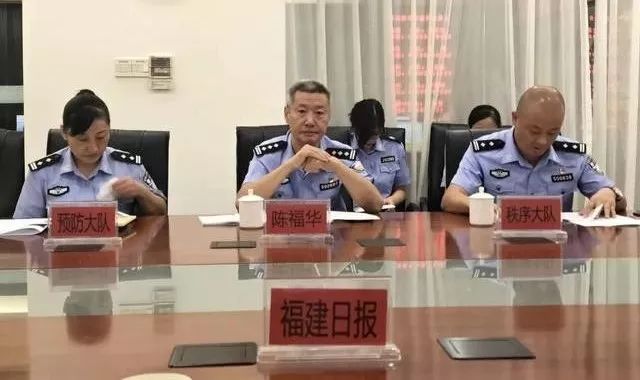
Recently, the Traffic Police Detachment of Putian City, Fujian Province, held a briefing on the development of the urban road slow‑traffic system and the improvement of traffic order. Chen Fuhua, deputy head of the Municipal Traffic Police Detachment, stated that transportation affects every household. In response to widespread public concerns about difficulties in finding parking, chaotic parking practices, inadequate parking‑space planning, and the unauthorized occupation of public parking spaces, decisive measures will be taken to address these issues.
According to Zeng Yongfu, head of the Traffic Order Division of the Municipal Traffic Police Corps, the initial phase will pilot a comprehensive effort on four major thoroughfares—Licheng Avenue, Yanshou Road, Dongyuan Road, and Dongzhen Road—focusing on standardizing the non-motorized‑vehicle system and carrying out a concentrated campaign to improve traffic order. The remediation work is scheduled for full completion by year’s end, with a normalized management mechanism established and subsequently extended to other roads throughout the urban area.
Effective immediately, a comprehensive survey will be conducted to determine the total number of on-street parking spaces along pilot road corridors. In conjunction with the current status of bicycle lanes, proposals will be developed for the removal of parking spaces and the optimized configuration of bicycle lanes. When adjusting bicycle lanes, auxiliary‑lane parking spaces will be eliminated concurrently, and construction will proceed in parallel based on the approved plans for parking‑space removal, the implementation of “one‑road‑one‑strategy” measures, and the optimized bicycle‑lane layout.
At the end of September, Putian issued a work plan for rectifying on‑street parking in the city’s central urban area, with related measures to be implemented from today through December 31. The initiative will focus on resolving conflicts over right-of-way between parking‑space allocation and the development of non‑motorized transportation infrastructure, addressing issues such as illegal parking, encroachment on motor vehicle lanes, bicycle lanes, and sidewalks—problems that undermine the city’s image and compromise public safety.
The remediation measures specifically include: planning, designing, marking, and removing on-street parking spaces along both sides of roadways; planning, designing, and marking bicycle lanes; improving pedestrian walkways by implementing physical barriers to separate pedestrians from vehicles; establishing a unified parking‑space management platform and promoting the application of intelligent parking‑space management; and launching a targeted campaign to address illegal on‑street parking.
It is worth noting that, by October 30, the operating rights for on-street parking along both sides of roads in the central urban area will be fully reclaimed and brought under the unified management of state-owned enterprises.
Source: Fujian Daily
05
In 2020, Weihai’s urban area will add 12 new parking lots.
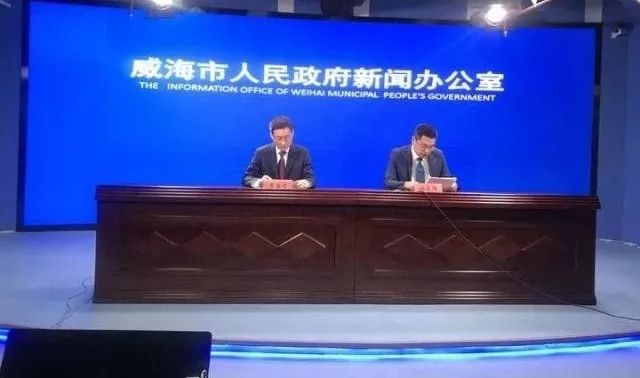
On October 11, the Weihai Municipal Government Information Office held a press conference, during which a relevant official from the Weihai Municipal Housing and Urban–Rural Development Bureau provided updates on the completion of previously disconnected roads in the urban area, as well as on the construction of grade-separated pedestrian crossings and public parking facilities.
In recent years, the Weihai Municipal Housing and Urban–Rural Development Bureau has focused on addressing pressing public concerns such as difficulties in pedestrian access, crossing streets, and finding parking. To this end, it has constructed eight grade-separated pedestrian overpasses, built 37 public parking lots adding a total of 7,670 parking spaces, and, between 2018 and 2019, completed the connection of 11 previously disconnected road segments within the urban area.
At present, the urban area has 37 state‑owned public parking facilities, including 15 on‑street parking lots with 2,690 spaces and 13 enclosed parking lots with 1,914 spaces. According to incomplete statistics, there are also 91 privately operated parking facilities in the city, offering more than 13,600 parking spaces, all managed by the respective owners or entrusted to property management companies. In 2019, the city completed the renovation and expansion of the Hanlefang Parking Lot, adding 1,667 parking spaces; concurrently, as part of the reconstruction of Fushun Road and Huanhai Road, an additional 600 on‑street parking spaces were created. From 2019 to 2020, Weihai plans to build 12 public parking facilities: integrating urban road construction and residential community upgrades, six new parking lots will be developed along Huanhai Road Greenway (near Heqing Hotel), Dongyao South Street, Haikang Street, Binzhou North Street, as well as in Changfeng Community and Haobo West District, adding a total of 530 parking spaces, with completion scheduled by the end of 2019.
Related News