Welcome to Haiyue Technology Group Co., Ltd.!

Welcome to the official website of Zhijin County Huakang Hospital Co., Ltd.

.
Under the Same Blue Sky: Entering Shitou Village (Part 3) — Not One Less
Release date:
2019-08-21 10:45
Source:
Guizhou Haiyue Group
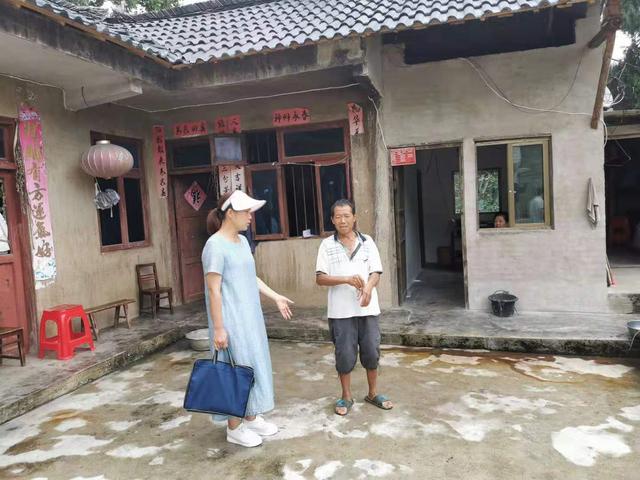
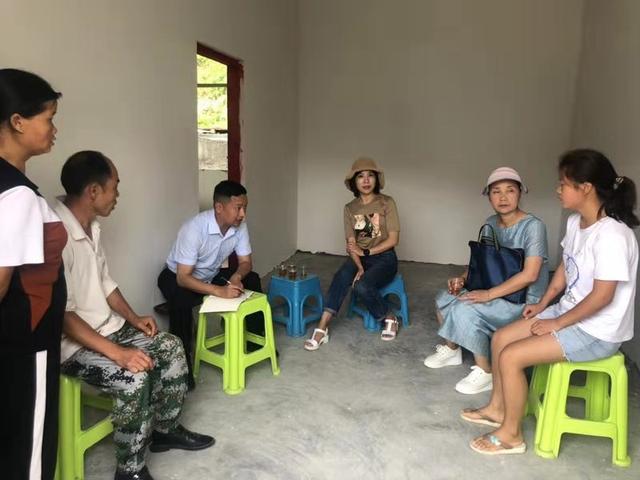
As a member unit of the China National Democratic Construction Association, Haiyue Technology’s primary mission in Shitou Village is education‑based poverty alleviation. To ensure that funds are used most effectively, we conducted on‑site assessments at the homes of these children, based on the recommendation list provided by the Guiyang Municipal Committee of the CNDA.
Wang Xunyi, a 17-year-old female student in the Zhenzhu Class of Grade 12 at Kaiyang No. 3 Middle School, lives in the Shangpu Group of Shitou Village, Chengguan Town, with her family of three. Her mother suffers from residual effects of a cerebral hemorrhage, which have left her with limited mobility. The family’s livelihood depends entirely on the hard work of her 57-year-old father, Wang Honggui. Their formerly dilapidated home has been renovated with government assistance and is now kept clean and tidy.
Yang Jingjing, female, 20 years old; a second-year student at Zunyi Aerospace Vocational College; resides in Matian Group, Shitou Village, Chengguan Town. Her family consists of four members: her mother is deaf and mute, and her grandmother is 91 years old. The household relies solely on her 61-year-old father, Yang Jianwen, for support. Their old home was nearly collapsing, and they are about to move into a new house built with government assistance; the family is registered as a recipient of minimum living allowance.
Wang Lihong, a 17-year-old female student in her third year at Kaiyang No. 3 Middle School, lives in the Dayan Group of Shitou Village, Chengguan Town. Her family consists of four members, including a younger brother. Her mother is in poor health and can only take on light work outside the home to supplement the family income, while the family relies primarily on her father’s hard work to make ends meet. Their house is already in a state of disrepair, and the family faces severe financial hardship.
Lan Zhili, female, 17 years old, a senior at Kaiyang No. 3 Middle School; she lives in Kuaqiao Chong Group, Shitou Village, Chengguan Town. Her family consists of four members, including a younger sister. Her mother suffers from thoracic cancer, leaving the entire burden of supporting the family on her father alone. The family is registered as a recipient of minimum living allowance.
It is gratifying to note that, in Shitou Village, with the exception of Wang Lihong’s household, all other families have, with the support of the local government and relevant agencies, gained access to paved roads, had their dilapidated homes repaired or renovated, and some are on the verge of moving into new homes.
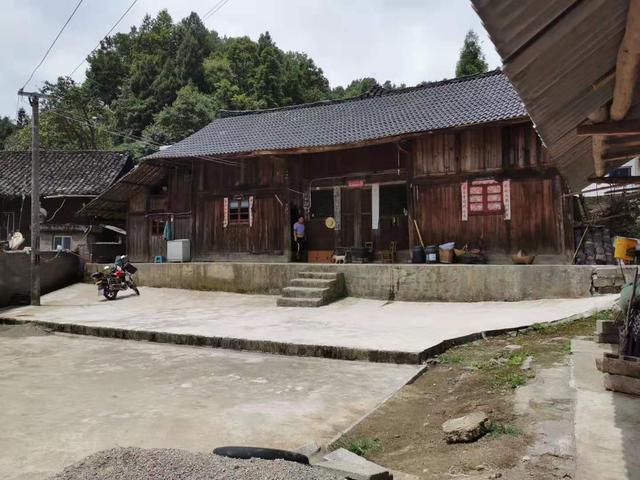
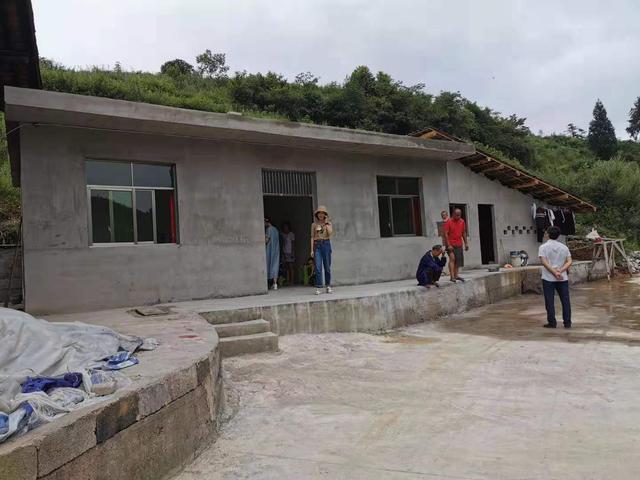
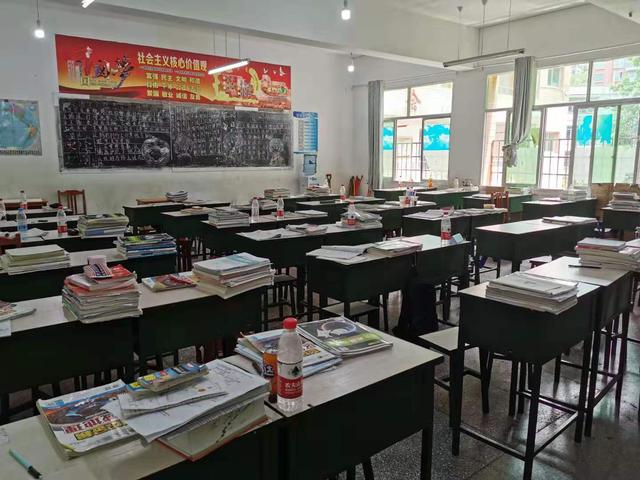
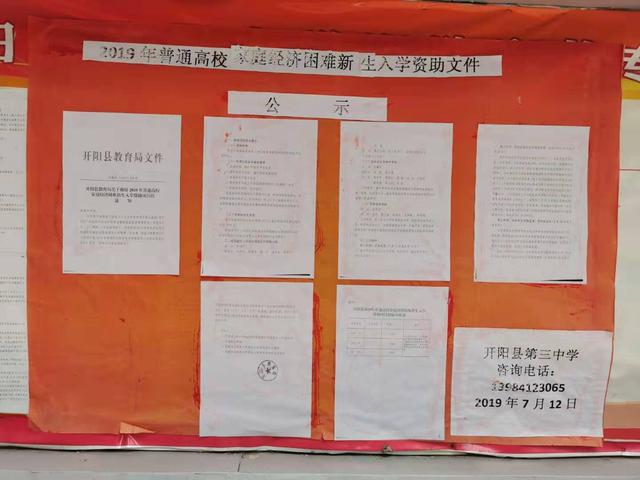
At 2:30 p.m., we arrived at Kaiyang No. 3 Middle School and held individual discussions with the homeroom teachers about the students’ academic performance. According to the teachers, these students are diligent and hardworking in their studies, yet they carry a heavy emotional burden. They hope that through education they can transform themselves and uplift their entire families. Your visit has been deeply heartwarming; we will convey your expectations to the students, encouraging them to cherish their present lives, study with dedication, and truly soar beyond the mountain village—bringing hope to their families and giving back to society.
As they were leaving, Teacher Bi from Class 5 of Kaiyang No. 3 Middle School brought two more students and said, “They’re not from Shitou Village, but their academic performance is quite good. It’s just that their families are extremely poor, and we hope someone will step in to lend them a hand…”
Facing the expectant gazes of my homeroom teacher and the students, I could only silently jot down in my notebook: He Mei, 17 years old, lives in the Taoziping group of Baoxin Village, Machang Town. Her family has six members—four siblings. Because they reside in a remote mountainous area, their home still lacks road access. Shi Huiyu, also 17, lives in the Xiahelang group of Bazicun, Longgang Town. Her family consists of six members—three siblings. Several years ago, her father fell seriously ill and incurred substantial debts, forcing her mother to leave home and take on grueling labor at construction sites to repay them. Meanwhile, her father and her 70-plus-year-old grandfather remain at home, caring for the remaining three siblings...
It is understood that in rural areas, inadequate transportation, outdated mindsets, and poverty caused by illness are the primary factors contributing to household hardship. For impoverished high school students in these mountain villages, as the intellectual members of their families, they not only represent the family’s hope for the future but also bear the mission and responsibility of encouraging their parents to change their ways of thinking, face life with courage, and transform their circumstances.
Back in Guiyang after leaving Shitou Village, I found it hard to calm my thoughts. I shared snippets of my time there on WeChat Moments, and to my surprise, the comments flooded in that very evening—each one brimming with heartfelt emotion.
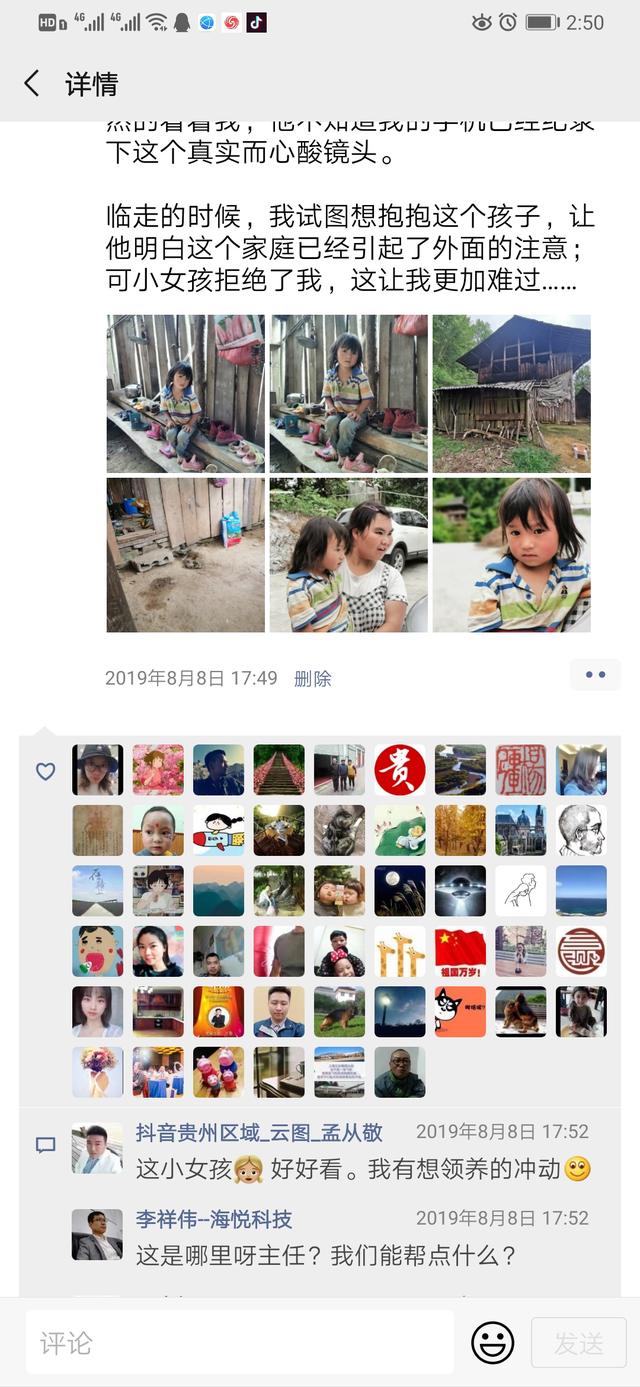


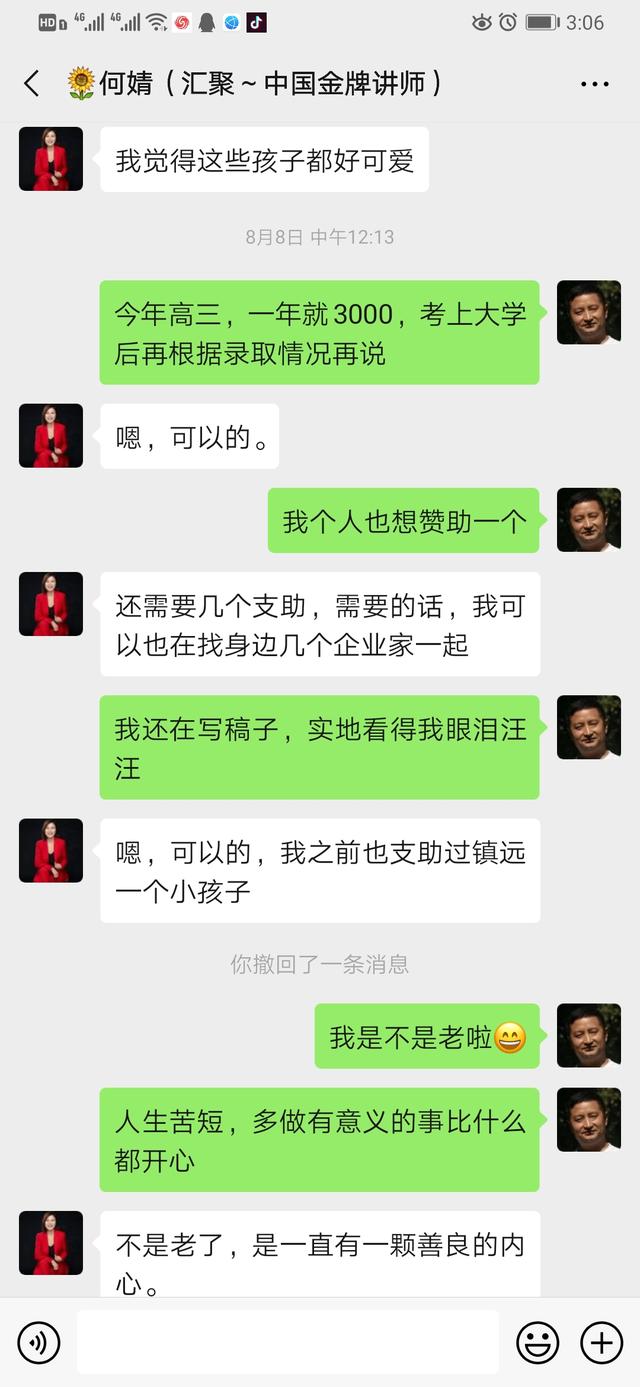
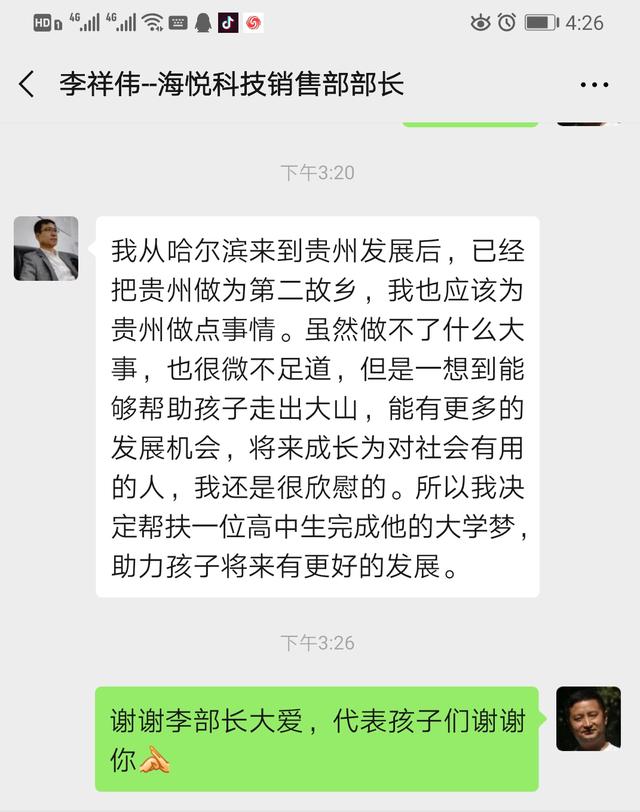
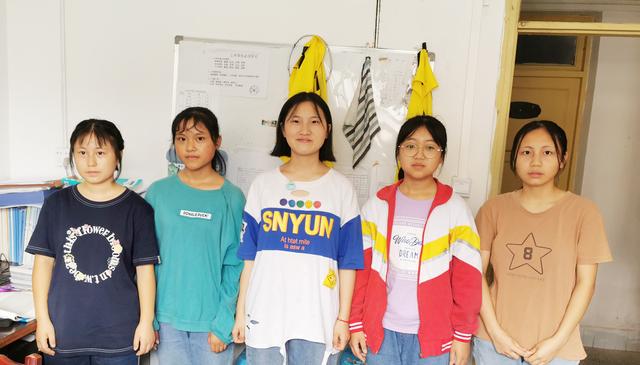
During our visit to Shitou Village, we met five high school students and one university student. With the coordination of the Guiyang Municipal Committee of the China National Democratic Construction Association, all of them will receive appropriate assistance. We will deliver the support funds directly to their families as quickly as possible, helping them complete their studies. However, in remote rural areas, there are undoubtedly far more families—beyond these six—who cannot afford to send their children to high school or university due to poverty. Beyond relying on national policies, targeted poverty alleviation requires the active participation of more enterprises and socially conscious individuals, so as to establish a flexible, long‑term relief mechanism. Only in this way can our efforts at targeted poverty reduction and our Hope Project become increasingly promising.
Related News